
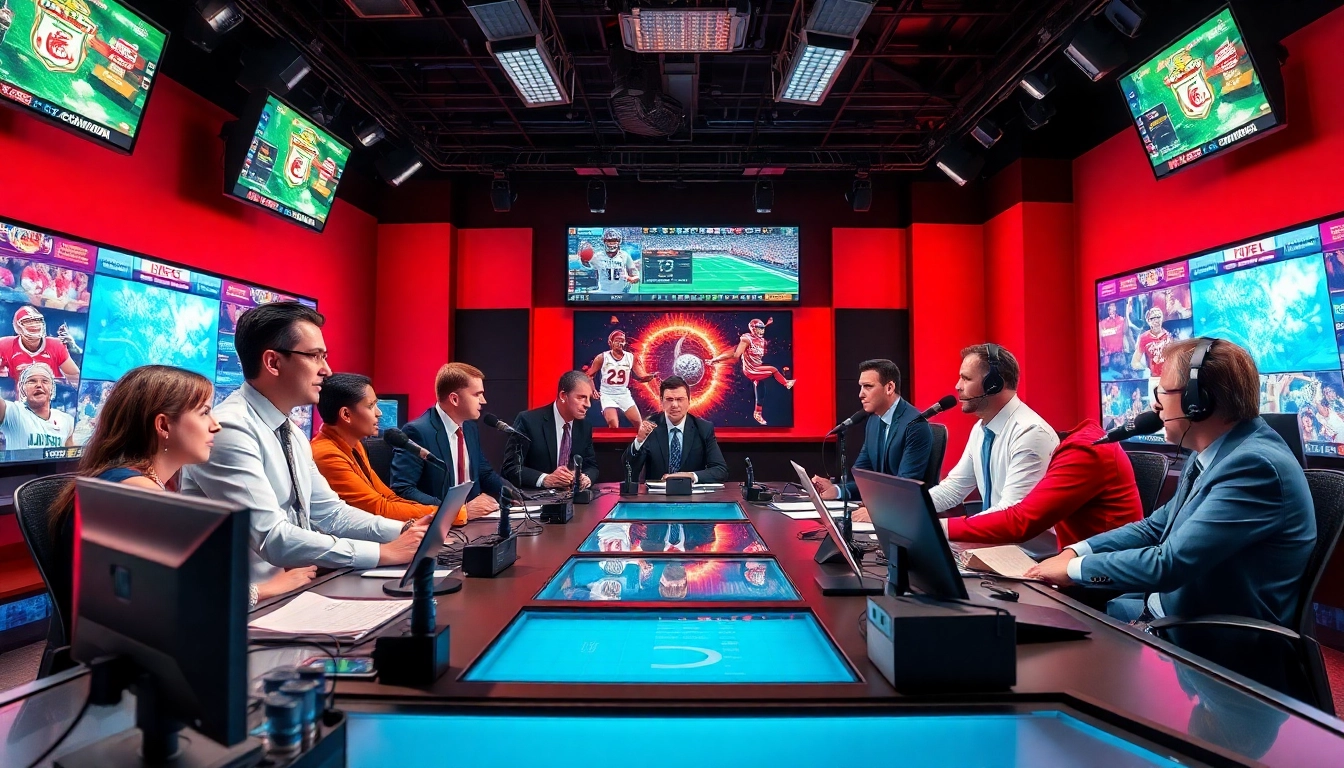
Introduction to Sports Broadcasting
Sports broadcasting has become an integral component of the sports industry today, transforming the way fans engage with their favorite teams and athletes. It encompasses the live coverage of sporting events, commentary, analysis, and all related media content aimed at enhancing the audience’s experience. With the rise of digital platforms and technologies, Sports Broadcasting has undergone significant changes, making it more accessible and interactive than ever before.
What is Sports Broadcasting?
At its core, sports broadcasting is the distribution of live sporting events via television, radio, and digital platforms. It aims to deliver real-time action, updates, and insights about various sports to fans worldwide. The field combines various forms of media, including audio, video, and online content, to engage diverse audiences. Broadcasters may cover a wide spectrum of events ranging from major league games to niche sports activities, making the world of sports more inclusive.
Importance of Sports Broadcasting
The importance of sports broadcasting extends beyond mere entertainment. It plays a critical role in promoting sports, providing financial support through advertisements and sponsorships, and creating a platform for athletes to showcase their talent. Additionally, it fosters community engagement as fans come together to support their teams, enhancing social interaction and a shared sense of belonging. Furthermore, broadcasting sports events allows for broader access to sports, particularly for those who may not have the means to attend live events.
Evolution and Trends of Sports Broadcasting
Sports broadcasting has seen dramatic evolution from its humble beginnings with radio channels and basic television coverage. The introduction of satellite television brought about a new wave of regional and national sports networks, significantly broadening the reach. With the advent of the internet and mobile devices, the rise of streaming platforms emerged, enabling viewers to access a plethora of sports content on-demand. Current trends indicate a focus on personalization, such as tailored content suggestions and interactive viewing methods, making sports broadcasting a continually evolving landscape.
Types of Sports Broadcasting
Traditional Sports Broadcasting vs. Modern Approaches
Traditional sports broadcasting typically relies on established media channels such as television and radio, where viewers receive content in a one-way monologue format. This model has been effective for decades but is increasingly challenged by modern approaches that prioritize interactivity and engagement.
Modern approaches utilize technology to create immersive experiences. For example, online streaming services allow users to choose angles, access real-time stats, and participate in live chats during broadcasts. This shift caters to the preferences of younger audiences who seek more involvement beyond passive viewership.
Live Streaming vs. Pre-Recorded Content
Live streaming has emerged as the dominant format for delivering sports content, allowing for immediate engagement with fans. The adrenaline of real-time play enhances the excitement, creating a communal experience as audiences react simultaneously. It also provides opportunities for instant analysis, including play-by-play commentary and expert insights.
Conversely, pre-recorded content serves to provide highlights, analyses, and in-depth features that may not be available during live events. This format allows broadcasters to curate content, ensuring quality storytelling while maximizing production value. Such segments often include athlete interviews, behind-the-scenes footage, and historical context, enriching the viewer’s experience.
Niche Sports Broadcasting: Opportunities and Challenges
Niche sports broadcasting involves covering less mainstream sports, such as eSports, extreme sports, and women’s leagues, presenting unique opportunities and challenges. Opportunities arise from filling content gaps by tapping into underserved audiences, which can lead to dedicated fan bases. Additionally, niche sports often have passionate communities eager for recognition, creating potential for growth.
However, challenges persist. Finding sponsors and monetizing these broadcasts can be difficult due to smaller audiences. Furthermore, the lack of mainstream visibility may hinder outreach efforts. Ultimately, niche sports broadcasters need to be strategic, leveraging community engagement and social media to grow viewership.
Key Players in Sports Broadcasting
Broadcasters and Networks
Broadcasters and networks form the backbone of the sports broadcasting ecosystem. Major television networks, satellite providers, and streaming services invest heavily in acquiring rights to sports events, thus shaping viewing habits. These players work to provide compelling coverage through state-of-the-art technology, expert commentary, and engaging narratives, making sports accessible to vast audiences.
Sports Analysts and Commentators
Sports analysts and commentators serve as the voice of broadcasting, providing critical insights and perspectives on live events. They enhance viewer understanding of the game by explaining strategies and player performances, while also shaping storytelling through their narratives. Their ability to connect with the audience significantly impacts viewer loyalties, making their roles crucial in the broadcasting landscape.
The Role of Technology in Sports Broadcasting
Technology is a significant driver of transformation in sports broadcasting. Innovations such as augmented reality (AR), virtual reality (VR), and advanced analytics enrich the viewing experience by providing deeper insights into gameplay. AR can enhance the broadcast by displaying real-time data overlays during matches, while VR offers fans immersive experiences that replicate the thrill of being present at a game.
Furthermore, artificial intelligence (AI) is increasingly being utilized for predictions, analytics, and even content personalization based on viewer preferences. These technological advancements are not only improving production quality but also tailoring the content to meet evolving audience expectations.
Challenges in Sports Broadcasting
Regulatory and Licensing Issues
Navigating regulatory and licensing issues remains a significant challenge for sports broadcasters. Broadcasting rights are often complex and heavily regulated by governing bodies and leagues, which can lead to restrictions on availability and coverage areas. Furthermore, competing broadcasters can create bidding wars for exclusive rights, driving up costs and impacting the financial feasibility of certain projects.
Competition and Market Saturation
The sports broadcasting field is highly competitive, with many players vying for viewer attention. As new streaming platforms emerge, established broadcasters face the challenge of retaining their audiences while adapting to changing consumption habits. Market saturation can dilute viewership, making it essential for broadcasters to differentiate themselves through unique offerings, content quality, and innovative delivery methods.
Adapting to Audience Preferences
Audience expectations are continuously evolving, and broadcasters must adapt to remain relevant. Preferences often lean toward interactive and personalized experiences rather than traditional viewing formats. To succeed, broadcasters should closely monitor trends and feedback, adjusting their strategies to embrace audience preferences, whether through innovative content delivery, social media engagement, or mobile platforms.
The Future of Sports Broadcasting
Innovations Shaping Sports Broadcasting
The future of sports broadcasting is poised for exciting innovations that will redefine the viewing experience. The rise of artificial intelligence will streamline production processes, enhance commentary accuracy, and provide tailored viewing options for fans. This evolution will allow for data-driven decisions that benefit both broadcasters and audiences alike.
Predictions for Audience Engagement
Future trends in audience engagement are likely to revolve around intensified user interaction. The integration of social media platforms into broadcasts will facilitate real-time discussions and fan participation, creating a more immersive and engaging environment. Expect to see innovations that allow fans to interact via polls, vote for highlights, or even influence game presentations.
Sustainability and Ethical Considerations in Sports Broadcasting
As the awareness of sustainability and ethics grows, the sports broadcasting industry is obligated to adapt accordingly. This includes reducing the environmental impact of broadcasting operations and promoting activities that foster inclusivity and diversity within sports. Broadcasters must take responsibility for addressing ethical concerns, supporting equitable representation, and ensuring transparency in their operations.
FAQ 1: What Careers are Available in Sports Broadcasting?
Careers in sports broadcasting include roles like sports anchors, producers, directors, and technical staff, each playing a vital part in delivering compelling content.
FAQ 2: How has Technology Changed Sports Broadcasting?
Technology has revolutionized sports broadcasting through live streaming, virtual reality, and advanced analytics, enhancing viewer engagement and experience.
FAQ 3: What is the Importance of Audience Engagement in Sports Broadcasting?
Audience engagement is crucial as it drives viewership, loyalty, and revenue through advertisements and sponsorships in the competitive sports broadcasting landscape.
FAQ 4: How Do Licensing Rights Affect Sports Broadcasting?
Licensing rights dictate which broadcasters can air sports events, impacting the availability and accessibility of content for viewers in different regions.
FAQ 5: What Trends are Shaping the Future of Sports Broadcasting?
Key trends include increased demand for interactive content, the rise of personalized viewing experiences, and the integration of social media in broadcasting strategies.